
What Should I Know?
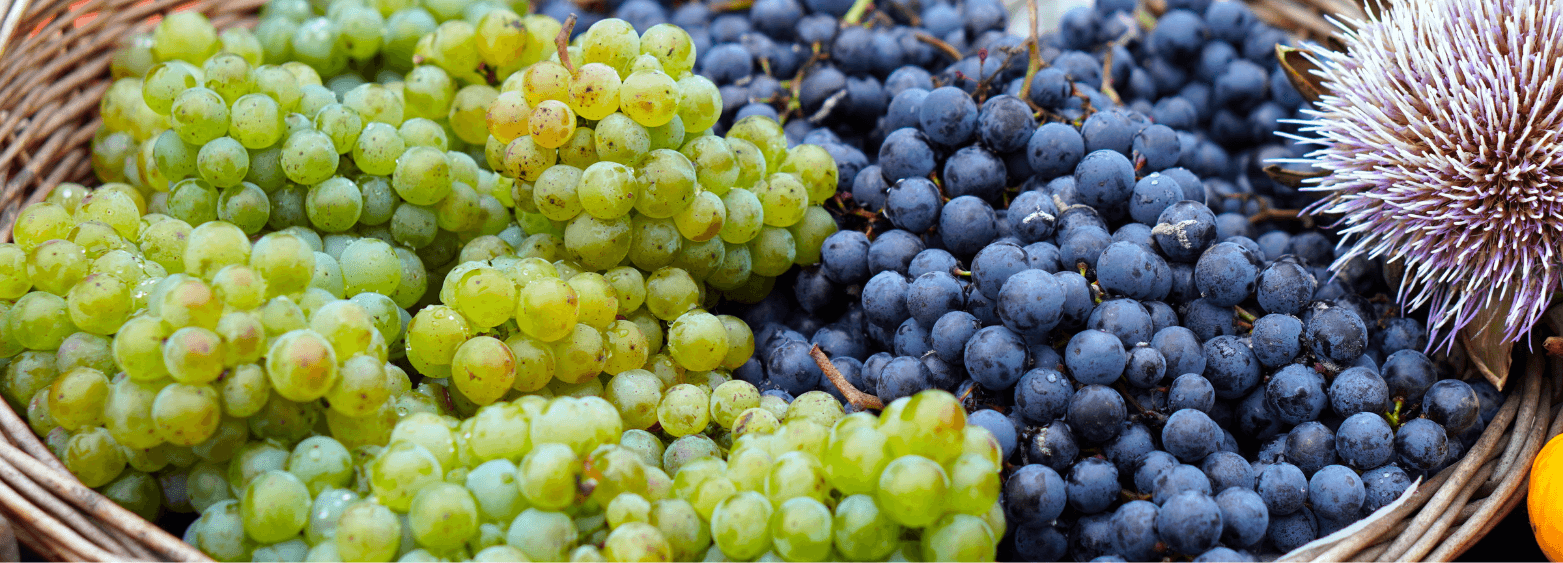
Fully ripe wine grapes naturally possess an optimal sugar-to-acid ratio for fermentation, high yield, and low amounts of protein and pectin, which allows the wine to clarify easily.
Saccharomyces cerevisiae, the primary yeast responsible for wine fermentation, is actually rarely found on intact, healthy grape berries.
The grape skin is a tough barrier consisting of cellulose, pectin, and a thick, waxy lipid layer called the "cuticle" (made of cutin) that protects the sugary pulp (mesocarp) inside.
In order for spontaneous fermentation to begin, resident fungi on the grape skin, such as Aureobasidium pullulans, must secrete "cutinase" enzymes to degrade this protective layer at a cellular level, creating a pathway for yeasts to access the sugar inside.
Why Does It Matter?
Understanding why grapes ferment so easily compared to other fruits forms the foundation of our millennia-old food processing history. When making wine (or fermented beverages) from other fruits like apples, plums, or blackberries, external interventions such as adding water to dilute the acidity or adding sugar syrup to balance the alcohol content (amelioration) are required. The grape, however, is biologically prepared for this biochemical transformation due to its cellular structure and chemical composition. Knowing the microscopic relationship between the grape's physical barrier, environmental fungi, and yeast helps us grasp the control mechanisms behind industrial and natural food fermentation.
What Does Science Say?
Scientific analyses show that wine grapes possess a complete nutrient profile in terms of carbon (glucose and fructose) and nitrogen (ammonium, amino acids) to support fermentation. Through a cellular process called glycolysis, S. cerevisiae converts these six-carbon sugars (hexoses) into pyruvate, and subsequently into ethanol and carbon dioxide. However, genetic sequencing has proven that S. cerevisiae lacks the enzymes required to break down plant cell walls or the waxy cuticle layer. When scientists examined the microbiota on grape skins, they discovered that Aureobasidium pullulans, a fungus living on the grape, produces cutinase-like esterase enzymes to hydrolyze (break down) the lipid polyester (cutin) on the skin. This degradation provides a physical gateway for the wine yeast to access the fermentable sugars inside the grape.
How Do They Work?
A tripartite biological interaction occurs at the cellular level in the vineyard or during processing. On one hand, there is the grape acting as a sugar reservoir; on the other hand, there are resident fungi that break down the protective barriers (cuticle and cell wall) and utilize the breakdown products (ω-hydroxy fatty acids) for their own nutrition. Through the microscopic breaches created by these fungi, the S. cerevisiae yeast—which normally cannot sustain itself on the intact grape skin—begins to feed on the exposed glucose and fructose. The yeast transports the sugar into its cells and converts it to pyruvate; then, using the enzyme pyruvate decarboxylase, it reduces it to acetaldehyde, and finally to ethanol using alcohol dehydrogenase. Thus, the degradation initiated by the fungi results in energy production (alcoholic fermentation) by the yeast.
Why Is This Happening?
The grape's high suitability for fermentation is a result of both evolutionary biology and human agricultural selection. Over thousands of years, humans have selectively bred grapes to achieve a specific sugar-to-acid balance that maximizes fermentation efficiency. For instance, while malic acid is very low in tropical fruits, the acidity in some cool-climate fruits is so high that it can inhibit yeast activity. Wine grapes have been agriculturally standardized to naturally contain the necessary pool of amino acids and ammonium (specifically nitrogen sources like arginine and glutamate that accelerate fermentation) required for rapid yeast proliferation.
What Are the Common Misconceptions?
Myth: Grape skins are naturally covered with abundant wine yeast (Saccharomyces cerevisiae), which is why they turn into wine immediately when crushed.
Fact: Advanced DNA sequencing technologies have revealed that the S. cerevisiae yeast is absent or very rare on fresh, sound grape berries. This yeast is actually a "nomadic" species and physically relies on other grape-skin resident fungi to break down the skin and expose the sugars so it can trigger fermentation.Myth: All fruits are chemically identical to grapes and can be directly crushed and fermented into high-quality wines.
Fact: Many non-grape fruits (mangoes, raspberries, plums, etc.) possess high acidity, low sugar, or high pectin levels. To make a fermented beverage from these fruits, water, sugar syrups, or commercial pectinase enzymes are needed to prevent the wine from remaining cloudy (haze). Because grapes already contain these chemical components in appropriate proportions, they require fewer external interventions.
Why Are We Sharing This?
At "Honest Food Info," our mission is to explain the biochemical realities behind our foods in transparent language. The easy fermentation of grapes is not magic; it is the result of the sugar/nitrogen chemistry the fruit has achieved through thousands of years of selection, combined with a very clear cellular collaboration established between the grape skin, resident fungi, and fermentative yeasts. Understanding how complex the enzymatic and cellular competition behind the natural transformation of our foods truly is allows us to view modern food science and production methods from a conscious perspective.