
What Should I Know?
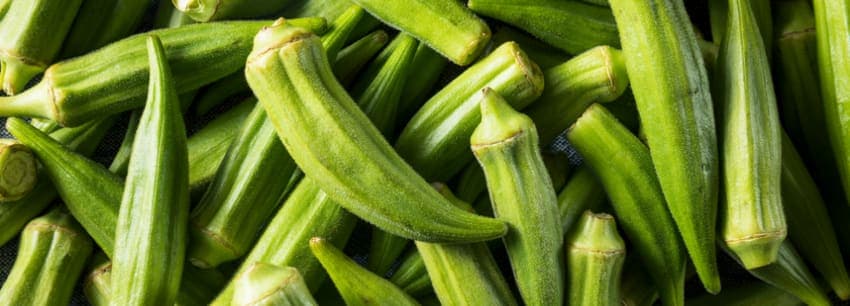
Okra is technically a fruit, native to Ethiopia, but eaten like a vegetable worldwide.
It is rich in water, fiber, vitamins A and B, and minerals such as calcium, zinc, and phosphorus.
Its sliminess comes from mucilage, a natural substance made of polysaccharides, proteins, and minerals.
Mucilage has antioxidant and antimicrobial effects and may support blood sugar control and gut health.
Why Does It Matter?
Many people dislike okra because of its slimy texture. Yet this characteristic is actually a nutritious and beneficial trait. Knowing the science behind mucilage can change how we perceive okra.
What Do the Rules and Science Say?
Okra is widely grown in temperate regions and enjoyed in dishes like stews, soups, and stir-fries.
The slimy substance—mucilage—contains polysaccharides, proteins, and minerals (notably zinc and calcium).
Research shows mucilage may:
Help regulate blood sugar
Support stomach lining protection
Provide antioxidant and antimicrobial activity
How Does It Work?
When okra is cut or cooked, mucilage is released.
This substance combines with water to form a gel-like, sticky texture.
The more it’s chopped or slow-cooked, the more mucilage is released.
Why Does It Taste or Feel This Way?
Mucilage gives okra its slippery, jelly-like consistency, which can feel unusual.
In many cuisines, this texture is embraced because it naturally thickens stews and soups.
What Are the Common Misconceptions?
“Sliminess means spoilage” → False. It’s natural and fresh.
“It’s unhealthy” → No. Mucilage may actually support digestive and metabolic health.
Why Are We Sharing This?
Okra’s slimy nature is often misunderstood as negative. But this feature is both natural and beneficial. By sharing this, we want to highlight how everyday foods have fascinating qualities worth appreciating.