
What Should I Know?
Live lobsters are usually greenish-black, and in rare cases appear bluish.
Their shell color comes from the pigment astaxanthin, which is bound inside a protein complex called α-crustacyanin.
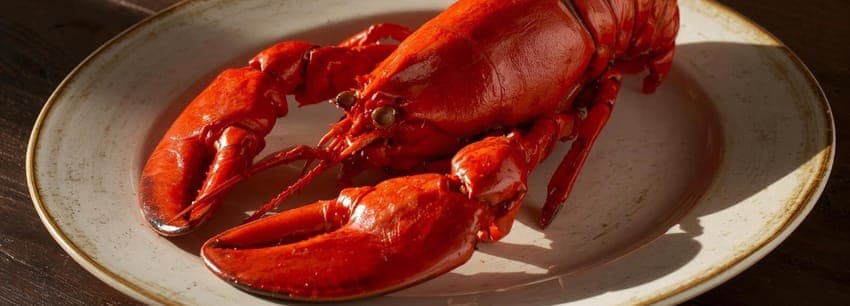
During cooking, heat breaks down the protein structure, freeing astaxanthin and turning the shell a bright orange-red.
Why Does It Matter?
The color shift that occurs when lobsters are cooked is both a familiar culinary observation and a fascinating biochemical process. Understanding this phenomenon shows how molecular changes underlie things we often take for granted in daily life.
What Do the Rules and Science Say?
The color of a lobster’s shell is determined by the interaction between astaxanthin and the protein α-crustacyanin. When exposed to high heat, the proteins denature, releasing the pigment. In its free state, astaxanthin absorbs and reflects light differently, giving the shell its characteristic red color.
How Does It Work?
In live lobsters, astaxanthin is tightly bound to proteins, which alters its optical properties and gives the shell a darker hue. Cooking breaks these bonds, liberating the pigment. Once free, astaxanthin exhibits its natural orange-red coloration. This shift in appearance is a molecular “redshift” caused by changes in the pigment’s structure and how it interacts with light.
Why Does It Taste or Feel This Way?
The color change itself does not alter taste. However, the same heat that denatures shell proteins also affects muscle proteins, breaking them down and softening the texture. This process makes lobster meat more tender and gives it its characteristic cooked flavor and mouthfeel.
Common Misconceptions
Many assume lobsters are naturally red, but this color only appears after cooking.
Some mistakenly think the color change is a sign of freshness or vitality; in fact, it is purely a heat-driven chemical reaction.
Why Are We Sharing This?
Explaining the science behind this striking cooking phenomenon helps satisfy curiosity and clear up common misconceptions about lobster.