
What Should I Know?
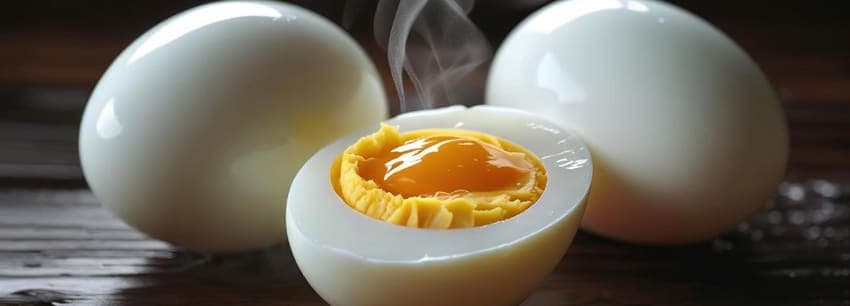
When eggs are boiled, sulfur compounds in the egg white are converted into hydrogen sulfide (H₂S) gas.
H₂S is responsible for the characteristic “rotten egg” smell.
This effect is not unique to eggs; it can also occur in other protein-rich foods such as meat and dairy when they are heated for a long time.
Why Does It Matter?
The odor of boiled eggs is often considered unpleasant and is sometimes mistaken for spoilage. In reality, this smell is the result of a normal chemical reaction. Understanding this helps prevent food safety misconceptions and can also improve cooking practices.
What Do the Rules and Science Say?
From a scientific perspective:
The sulfur in egg whites is transformed into hydrogen sulfide (H₂S) gas during cooking.
Once released, this gas quickly evaporates and produces its distinctive odor.
Similarly, prolonged heating of protein-rich foods like meat and dairy can produce comparable smells.
How Does It Happen?
Heat causes the proteins in egg whites to break down.
Sulfur-containing amino acids are released,
Which then combine with hydrogen to form hydrogen sulfide gas.
As the gas escapes into the air, we perceive the smell.
Why Does It Taste or Feel This Way?
Our sense of smell plays a major role in how we experience food. The odor of boiled eggs does not mean they are unsafe to eat, but it may reduce appetite for some people. The smell is usually stronger when eggs are overcooked.
What Are the Common Misconceptions?
“If an egg smells bad after boiling, it must be spoiled.” In most cases, the smell comes from hydrogen sulfide gas naturally produced during cooking, and it does not mean the egg is rotten.
Why Are We Sharing This?
The smell of boiled eggs is a common source of confusion in everyday life. By explaining the chemical process behind it, we aim to reduce unnecessary concerns and support more informed cooking and eating choices.