
What Should I Know?
Water activity (aw) is not the total amount of water (water content) in a food; it is the measure of "free" (available) water that microorganisms can use to grow or that can migrate within the food.
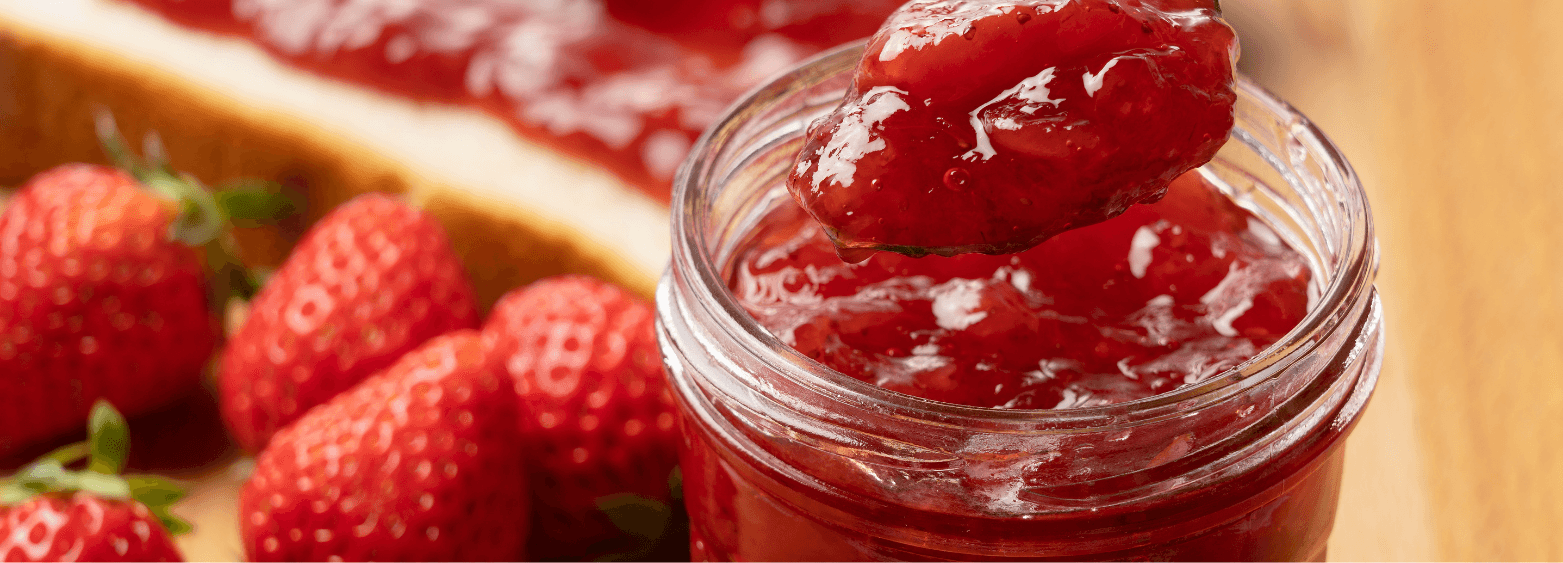
Adding sugar or salt to foods chemically binds the water and lowers the water activity; this explains why watery-looking foods like jam do not easily spoil.
When two components with different water activities (e.g., fruit filling and pie crust) come into contact, moisture always migrates from the higher water activity to the lower one.
The relative humidity of the air surrounding a food attempts to balance with the product's own moisture; a dry product will absorb water from humid air and lose its texture.
Why Does It Matter?
Consumers often try to estimate the risk of spoilage by looking at how "wet" a food appears. However, the true parameter that determines shelf life and food safety is not the total water inside the food, but how much of that water is free to move. Understanding water activity is the fundamental key to realizing why our pie crusts become soggy over time, why jams have a long shelf life, and why coffee beans can be stored safely for extended periods.
What Does Science Say?
Water activity is measured on a scale from 0 to 1 (with 1 representing pure water). Scientifically, its formula is the ratio of the food's vapor pressure to the vapor pressure of pure water under the same conditions. This ratio indicates how easily the water in the food evaporates. Most foods hover within a water activity range of 0.2 to 0.99. For instance, fresh meat, milk, and fresh vegetables have the highest values at 0.99; while bread is at 0.95, jams are at 0.8, and roasted coffee beans have very low water activity values between 0.1 and 0.3. As water activity drops below a certain limit, the probability of dangerous microorganisms growing in that food significantly decreases.
How Do They Work?
There are two basic physical and chemical ways to alter the water activity in a food. The first is physically removing the water through drying (e.g., producing a dry cracker instead of moist bread). The second is adding ingredients to the food's composition that will "bind" the water. Sugar and salt are used for this exact function. In jam production, sugar traps (binds) the water within its structure, preventing microorganisms from utilizing it.
Why Is This Happening?
Behind the structural changes of foods in the kitchen or factory lies a search for thermodynamic equilibrium. For example, when you place a moist fruit filling (high water activity) inside a crunchy pie crust (low water activity), the moisture always physically migrates from the higher side to the lower side (the crust). Consequently, the crust becomes soggy and its structure deteriorates. Similarly, if the relative humidity of the air surrounding your food is higher than that of the food, your food absorbs water from the environment. The primary reason foods lose their intended textures is their attempt to balance this water activity difference with their surroundings or other ingredients.
What Are the Common Misconceptions?
Myth: The "water content" in a food and its "water activity" are exactly the same thing; the more water there is, the faster the food spoils.
Fact: Although water content and water activity are related, they are absolutely not the same thing. A food may physically contain a lot of water; however, if this water is "bound" by ingredients like salt or sugar, microorganisms cannot use it for their biological activities. For example, jams have a high water content, but due to the sugar, their water activity is lowered to 0.8; therefore, they do not rot rapidly like fresh fruits (0.99).
Why Are We Sharing This?
At "Honest Food Info," our goal is to help you transparently see the invisible laws of physics operating in your kitchen. Just as a food appearing "wet" does not mean it will immediately spoil, the textural changes that occur when you combine two different ingredients are not a culinary mistake; they are a calculable moisture migration dictated entirely by water activity. Understanding this mechanism helps you store your food more accurately and grasp the scientific reasons why certain foods can remain unspoiled on the shelves.