
What Should I Know?
A fat-soluble vitamin that cannot be synthesized in the body and must be obtained from food.
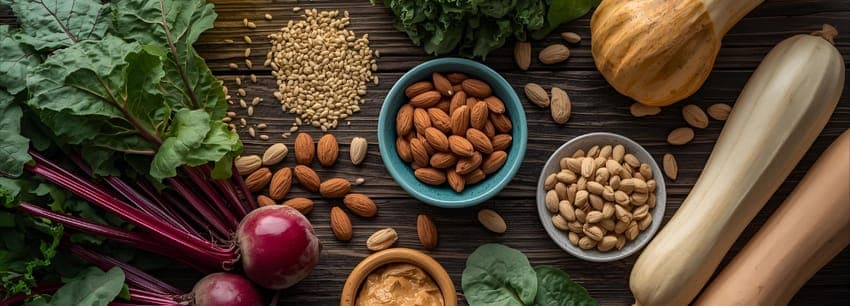
Found mainly in vegetable oils, grains, nuts, and certain fruits and vegetables.
Acts as an antioxidant, protecting cells from damage caused by free radicals.
Supports the immune system, contributes to cardiovascular health, and offers protection against infections.
Deficiency may occur in people with certain digestive disorders.
Excess vitamin E intake can interact with vitamin K, increasing the risk of bleeding.
Why Does It Matter?
Vitamin E is one of the body’s most important cellular protectors, shielding cell membranes from free radical damage. Free radicals can be generated during normal metabolic processes as well as through exposure to cigarette smoke, air pollution, and other environmental factors. Like other antioxidants, vitamin E helps neutralize these harmful effects.
Research shows that vitamin E can enhance immune function, help prevent blood clot formation in blood vessels, and protect against various infectious diseases. Vitamin E and its metabolites are also known for their antioxidant, anti-inflammatory, and neuroprotective roles, supporting the structure and function of nerve cells. Additionally, vitamin E plays critical roles in fertility, the brain and nervous system, muscles, skin, blood, and bone marrow health.
What Do the Rules and Science Say?
When taken together, vitamins E and C can increase antioxidant activity and are often combined in supplements. However, studies show that combined supplementation has little to no effect in pregnant women and infants and may even pose risks during pregnancy.
Recommended daily intake: 15 mg for adults and children aged 4+, and 19 mg for breastfeeding women.
Excessive vitamin E intake may reduce vitamin K activity, which is critical for blood clotting.
There is currently no evidence of toxicity from vitamin E that naturally occurs in food. However, very high doses — above 1000 mg per day, or when combined with blood-thinning medications — may increase the risk of severe bleeding. For adults over 19, the upper safe limit for supplemental vitamin E is set at 1000 mg per day.
How Does It Work?
There are eight forms of vitamin E, but only alpha-tocopherol is actively used by the human body. Since absorption requires fat, eating vitamin E–rich foods such as grains together with healthy oils improves uptake.
Although rare, people with digestive problems or fat malabsorption may develop vitamin E deficiency. Symptoms include vision problems caused by retinal damage, nerve damage that leads to weakness or pain in the hands and feet, loss of motor coordination, and reduced immune function. However, since these symptoms may overlap with other conditions, the most reliable way to confirm deficiency is through a blood test.
What Are the Common Misconceptions?
“Vitamin E can only be obtained from supplements.” In fact, many vegetable oils, nuts, and grains are natural sources.
“The more I take, the better.” Excess doses can lead to serious health risks.
“Deficiency is common.” In reality, deficiency is rare in healthy individuals and usually occurs in those with digestive disorders.
Why Are We Sharing This?
Misinformation about vitamin E is common, especially regarding supplements. While vitamin E has well-documented benefits, the excessive and uncontrolled use of supplements can cause health problems. Our goal is to provide science-based, reliable information so that consumers can make informed and balanced decisions.