
What Should I Know?
Cutting boards made from plastic, wood, glass, and acrylic act as major vehicles for microbial cross-contamination in domestic kitchens.
Despite popular belief, nonporous boards like plastic and glass often harbor higher numbers of pathogenic bacteria like Salmonella and E. coli, and they frequently have higher transfer rates to food than wooden boards.
Glass is completely impermeable, pathogens remain fully exposed on the smooth surface, ready to transfer instantly, while plastic easily develops hard-to-clean grooves that harbor high numbers of bacteria like Salmonella and E. coli.
Wooden boards physically trap bacteria and possess natural properties that significantly reduce bacterial counts, often rendering pathogens undetectable within two to four hours. However, wood retains moisture and is more prone to harboring yeasts and molds.
The five-second rule is a myth; substantial bacterial transfer happens the moment food touches a contaminated surface, even within 5 seconds.
Using separate boards for raw meat and fresh produce, replacing heavily scarred boards, and using targeted cleaning methods like hot soapy water or alcohol-based sanitizers are the most effective ways to prevent illness.
Why Does It Matter?
Cross-contamination during food preparation is a primary factor in many foodborne illnesses globally. Harmful microorganisms can attach to food contact surfaces, remain viable even after standard cleaning, and easily transfer to ready-to-eat foods like salads or salami. Because severe pathogens like E. coli O157:H7 can cause life-threatening illnesses with an infectious dose of fewer than 10 cells, even microscopic levels of cross-contamination pose a critical public health risk. Additionally, certain fungi that grow on poorly maintained wooden boards can produce heat-resistant mycotoxins, which impact consumer health directly, even if the food is later cooked. Understanding how different materials, ranging from glass to bamboo, interact with microbes equips us to make safer choices in our daily kitchen routines.
What Does Science Say?
Scientific measurements provide a clear picture of how pathogens behave on different kitchen surfaces:
Bacterial Survival: Salmonella and E. coli can persist on polyethylene plastic, polypropylene, acrylic, and glass cutting boards for 4 hours or more. In contrast, on wooden boards such as sugar maple or beech, counts of Salmonella and E. coli drop significantly, often becoming undetectable within 2 to 4 hours.
Microbial Load: In domestic kitchens, plastic chopping boards show the highest prevalence of Clostridium perfringens, Salmonella, and Listeria species. Glass chopping boards have sometimes been observed to hold the highest E. coli counts, reaching 1.9 log cfu per square centimeter, though they show lower populations of C. perfringens and Listeria. Wooden boards harbor higher population densities of yeasts and molds due to higher water retention.
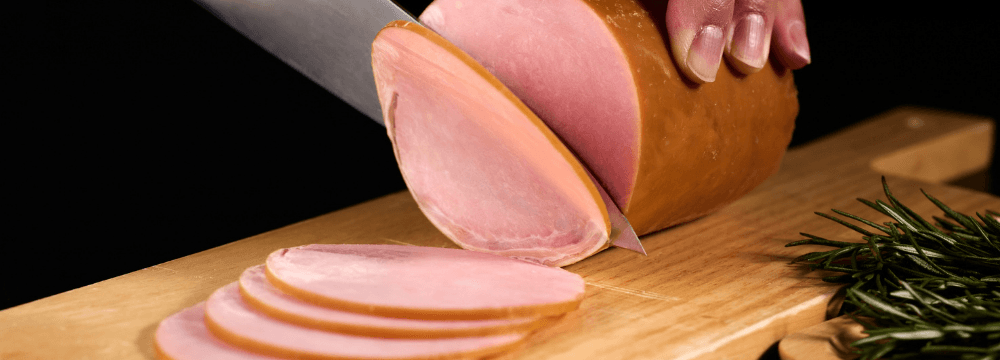
Transfer Rates: When pieces of ready-to-eat salami were placed on contaminated surfaces, wooden boards consistently demonstrated the lowest bacterial transfer rates compared to polyethylene plastic and glass.
Contact Time: The longer food rests on a contaminated surface, the higher the rate of bacterial transfer; a 300-second contact time generally results in a much higher transfer of pathogens than a 5-second contact time.
Sanitization: Washing with hot, soapy water after each use, followed by rinsing with clean water and air drying or drying with clean paper towels.
How Do They Get There?
Microorganisms enter the kitchen environment primarily through raw foods, such as ground beef or raw poultry. During preparation, bacteria shed from the raw meat and adhere to the cutting board. On plastic and wooden boards, daily use creates knife scars and deep scratches that provide safe havens for bacteria, making manual cleaning and disinfection exceedingly difficult. If a board is only quickly rinsed, pathogens remain fully viable on the surface. When a ready-to-eat item, such as salami or cucumber, is later sliced on that same unsterilized board, the bacteria transfer directly onto the food, seamlessly completing the chain of cross-contamination. Additionally, using heavily contaminated reusable wiping cloths can inadvertently spread these trapped bacteria to other kitchen surfaces.
Why Is This Happening?
The survival and transfer of pathogens depend heavily on the physical and chemical properties of the cutting board material. Nonporous surfaces like plastic and glass keep bacteria stranded on the immediate surface, where they remain highly available to contaminate any food that touches them. Furthermore, plastic surfaces easily develop grooves that protect bacteria, and E. coli can produce extracellular polymeric substances that allow them to form resilient biofilms directly on smooth glass surfaces. Conversely, wood is highly porous and hygroscopic. It absorbs liquids and pulls bacteria deep beneath the surface, physically trapping them and depriving them of the moisture required for survival. Some woods also possess natural antimicrobial properties that actively inhibit bacterial growth. Bamboo, while technically a grass, absorbs very little moisture and actively resists knife scarring, making it highly resistant to bacteria.
What Are the Common Misconceptions?
Myth: Plastic or glass cutting boards are always safer and more hygienic than wooden ones.
Fact: While nonporous surfaces are easier to clean, research shows that plastic cutting boards actually harbor the highest counts of dangerous bacteria and present the greatest risk of cross-contamination in the home. Glass boards have very high transfer rates to food. Wooden cutting boards present a lower bacterial risk due to their ability to trap and neutralize pathogens over a short period physically.
Myth: The five-second rule means dropped food is safe to eat if picked up quickly.
Fact: Experimental science completely defies the five-second rule; substantial bacterial transfer occurs instantly within just 5 seconds of contact between food and contaminated polyethylene, glass, or wooden surfaces.
Why Are We Sharing This?
At Honest Food Info, we believe in providing transparent, science-based knowledge to help you cultivate a safer home environment. By adopting practical habits, such as utilizing separate cutting boards for raw meats and ready-to-eat foods, replacing heavily worn boards that have hard-to-clean grooves, and effectively sanitizing surfaces with alcohol based paper towels or hot soapy water and bleach, you can dramatically reduce the risks. Whether you choose wood, bamboo, glass, or plastic, making informed choices regarding how you maintain your kitchen tools is your best defense against foodborne illnesses.