
What Should I Know?
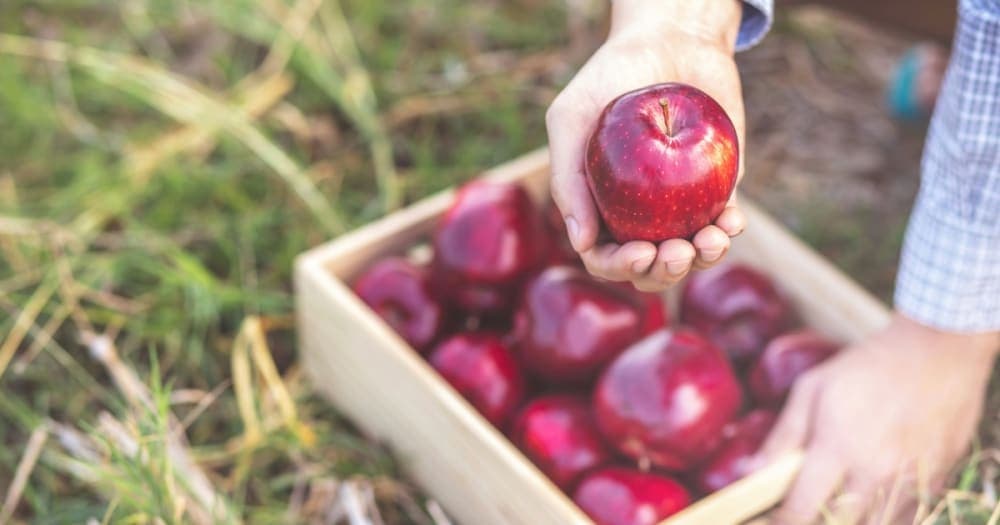
Apples naturally develop a waxy coating to reduce moisture loss and protect themselves.
Post-harvest washing can remove this layer, so food-grade coatings are often reapplied.
Common coating materials include carnauba wax, beeswax, and paraffin, all of which undergo safety testing.
When used within regulatory limits, these coatings pose no health risk.
Why Does It Matter?
Shiny fruits may seem more appealing, but knowing what creates the shine builds consumer trust. These coatings also extend shelf life, helping to prevent food waste.
What Do the Rules and Science Say?
Naturally waxy apple skins can lose their protective layer during washing. To compensate:
Approved coatings are applied — either natural (e.g., carnauba, beeswax) or synthetic (e.g., paraffin, oxidized polyethylene).
These coatings are:
Safe for contact with food,
Used within regulated limits,
Subject to ongoing safety assessments.
How Does It Work?
Apples are harvested and washed.
Washing may remove their natural wax.
A thin protective coating is applied to:
Lock in moisture,
Provide a glossy look,
Add microbial protection.