
What Should I Know?
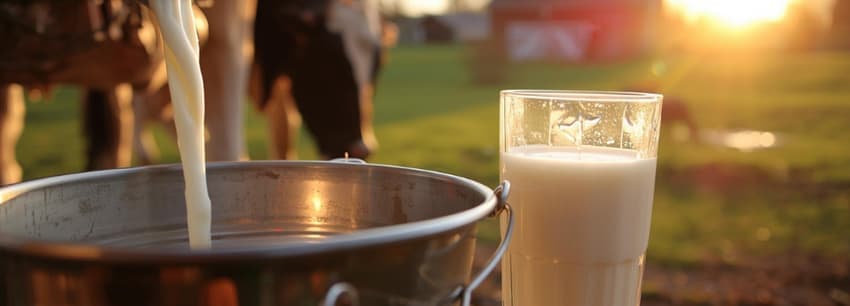
Raw milk is milk that has not been heat-treated. While it contains nutrients, it may also harbor microorganisms such as E. coli O157:H7, Salmonella, Listeria, and Campylobacter, which can cause serious illness.
Pasteurization heats milk in a controlled way to kill harmful pathogens, extend shelf life, and preserve most of the nutritional value.
UHT milk (Ultra-High Temperature) is heated very quickly to very high temperatures, making it microbiologically safe and able to last for months at room temperature.
Boiling raw milk at home may kill some microbes, but it does not eliminate heat-resistant spores and is not as safe as pasteurization.
Why Does It Matter?
Milk is a highly perishable food and a perfect medium for microbial growth. Outbreaks linked to raw milk consumption pose a particular risk to children, pregnant women, the elderly, and people with weakened immune systems. Heat treatments are not just for shelf life—they are essential for food safety.
What Do the Rules and Science Say?
Pasteurization can be done at low temperature for a long time (63 °C, 30 min) or high temperature for a short time (72 °C, 15 sec).
UHT processing is applied at 135–150 °C for 1–3 seconds.
Studies show that these treatments cause no significant loss in protein quality, calcium absorption, or mineral bioavailability.
Pasteurization does not make milk “nutritionally empty.” Instead, it eliminates dangerous microbes while retaining milk’s nutritional value.
How Is It Made / How Does It Work?
Raw milk is simply collected and cooled, leaving it exposed to microbial risks. Pasteurized milk is heated to a defined temperature, then rapidly cooled and packaged. UHT milk undergoes very high heat under sterile conditions, then is aseptically packaged—allowing it to remain safe at room temperature until opened.
Why Does It Taste or Feel This Way?
Raw milk may taste “more natural” to some, but it is not safe due to microbial risks. Pasteurized milk provides a flavor and aroma closest to fresh milk. UHT milk can develop a slightly cooked or caramel-like taste due to the high heat treatment.
What Are the Common Misconceptions?
“Raw milk prevents lactose intolerance.”
All milk contains about 4.8% lactose. Lactose intolerance is due to a lack of the enzyme lactase in the intestine, and raw milk does not contain this enzyme. People with lactose intolerance can react to raw and pasteurized milk alike. Only fermented dairy products, such as yogurt, may be easier to tolerate for some individuals.
“Raw milk prevents allergies and asthma.”
This claim is often linked to the PARSIFAL study, a large European project investigating asthma and allergy in children growing up on farms. The study found lower allergy rates in farm children, but it could not confirm whether they drank raw or boiled milk—about half of the farm milk samples were boiled. The authors warned explicitly: raw milk may contain pathogens and is not safe to recommend. The protective effect was more likely related to overall farm exposure, not raw milk itself.
“Raw milk improves calcium absorption.”
Research shows that pasteurization does not affect calcium absorption or bone health. There is no difference in bioavailability between raw and pasteurized milk.
“Raw milk contains probiotics.”
The bacteria found in raw milk are not probiotics. They often come from the animal or farm environment and may include pathogens. Even the presence of so-called “good” bacteria like bifidobacteria usually indicates fecal contamination rather than a health benefit.
“Raw milk strengthens the immune system.”
Raw milk contains only small amounts of immunoglobulins, which are not significant enough to affect human immunity. These proteins are largely preserved after pasteurization, but their levels are too low to provide immune benefits.
“Pasteurized milk loses its nutritional value.”
Pasteurization does not cause major nutrient loss. Proteins, calcium, and B vitamins remain intact. Only small reductions are seen in vitamin C, which is naturally present in milk at very low levels. Pasteurized milk remains a nutritious food.
“UHT milk is unhealthy.”
UHT milk is simply processed differently to extend shelf life. Protein quality, calcium absorption, and mineral content are preserved. The main difference is a slightly cooked taste compared to pasteurized milk. From a health perspective, UHT milk is not harmful—in fact, it provides added food safety and storage advantages.
Why Are We Sharing This?
Milk is an important food, especially for children and other vulnerable groups. However, claims about raw milk’s health benefits are not supported by science, and misconceptions about pasteurized and UHT milk often create unnecessary doubt. Pasteurization does not strip milk of nutrition, and UHT milk is not unhealthy. Clarifying these differences helps consumers make informed and safe choices.