
What Should I Know?
The first static cold storage facilities used to preserve food appeared in the 1860s, while the earliest attempts at mechanical refrigeration in transport date back to the 1880s.
However, the true global revolution began in 1940 when Frederick McKinley Jones, a self-taught mechanic who was orphaned at age 8, patented a mechanical refrigeration system for trucks.
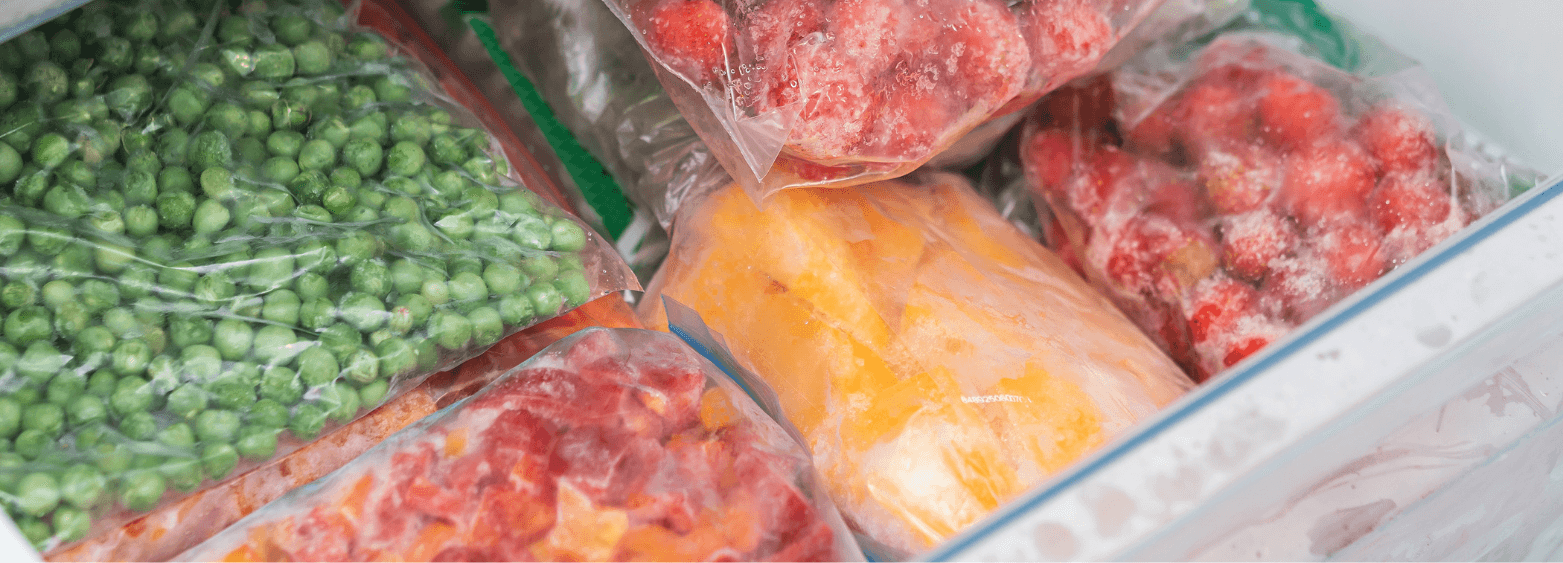
The cold chain is not a single type of cooling; it is managed in distinct and precise temperature bands such as just above 0°C for meat (cold chill), up to 5°C for dairy products (medium chill), 10-15°C for fresh fruits/vegetables (exotic chill), and typically -18°C for frozen foods.
Modern refrigerated ISO containers, known as "Reefers", are designed to maintain a constant internal temperature regardless of external weather conditions, thanks to their integrated refrigeration plants.
Why Does It Matter?
The invention of the modern cold chain did not just prevent food spoilage; it permanently altered the definition of "seasonal" food in human history. Before Frederick Jones's portable refrigeration units (Thermo King) were invented, foods could only be consumed near where they were grown and strictly during their harvest season. Thanks to this technology, the frozen food industry, massive supermarkets, and overseas food trade (container shipping) became possible. More importantly, during World War II, the ability to transport fresh food to troops overseas, as well as the ability to safely ship transfusion blood and medicines (vaccines) to battlefields and hospitals without them spoiling, was realized directly through cold chain engineering, saving countless lives.
What Does Science Say?
According to the laws of food science and thermodynamics, a fresh product begins to decay the moment it is harvested. A cold chain is a specialized supply chain that prevents products from being exposed to ambient temperatures throughout all logistics operations from procurement (harvesting) to consumption. For products in the cold chain, quality, shelf life, microbial decay, and physical deterioration rates are entirely dependent on heat transfer. For example, highly sensitive medical supplies like vaccines must be kept between 0 and 8°C; anytime they fall outside these limits, the product progressively loses its effectiveness depending on the severity and duration of the temperature deviation. Therefore, keeping the temperature strictly within target limits during transit is the most fundamental requirement of science and food safety.
How was it integrated into the food industry?
The foundation of portable mechanical refrigeration was laid in 1940 when Fred Jones, a man who left formal schooling after the 8th grade but possessed a natural genius for mechanics, invented the refrigeration unit he called "Model A". The Thermo King company, founded by Jones and his partner Joseph Numero, integrated these units first into trucks, and later into boats, airplanes, and boxcars. Today, the standard ISO (20 or 40 foot) "reefer" containers used in maritime transport possess their own capacity-controlled compressors, condenser fans, and monitoring systems. Thanks to these systems, a cargo carrying bananas can be set to 13.5°C, while a vehicle carrying frozen meat can be set to -18°C, automatically maintaining the climate throughout the entire journey.
Humanity's global demand for food necessitated that crops from the field reach consumers on the other side of the world without decaying. The cold chain process is designed sequentially from simple to complex: harvest, road transport, pre-cooling, freezing or packing, transport via refrigerated vehicle, supermarket cold room, display case, and finally the home freezer. The moment a product is severed from the field, the ambient heat is actively absorbed by mechanical systems to preserve its biological structure. In this journey carried out by refrigerated vehicles, a portion of the fuel is used to propel the vehicle, while another substantial portion is consumed to cool the rear cabin and maintain thermodynamic equilibrium.
What Are the Common Misconceptions?
Myth: The only reason we can eat tomatoes in winter and oranges in summer is because the food has been genetically modified and pumped with hormones; food never used to last this long.
Fact: The primary reason fresh food is available globally at any given moment today compared to the past is the portable refrigeration units invented by Frederick Jones. This technology bypassed the barriers of climate and distance, creating a worldwide market and forever changing the definition of the word "seasonal".Myth: Cold chain transportation is simply an "insulation" process where blocks of ice are placed next to the food to keep it cool.
Fact: The modern cold chain is not simple insulation; it is a massive mobile climate-control industry equipped with its own diesel or electric engines, compressors and gases that actively absorb heat from the environment, and computerized monitoring devices. The goal is not just to keep the temperature "cold," but to maintain the specific degree required by that product (e.g., exactly -29°C for frozen fish) with millimeter precision.
Why Are We Sharing This?
At "Honest Food Info," our mission is to allow you to transparently see the incredible scientific and historical processes underlying the food on your plate. Behind the frozen meal you buy at the supermarket, or the bag of blood used in a hospital, lies the mechanical passion of a self-taught African-American genius (Fred Jones) and his patents that solved a global food crisis. When we understand how the products we consume reach us, and the microscopic-thermodynamic logistics behind them, we can approach modern food science not with fear, but with awareness and appreciation.