
What Should I Know?
An emulsion is a mixture of two liquids that do not naturally dissolve in each other (for example, oil and water).
Emulsifiers are surface-active agents that prevent this mixture from separating over time. They can interact with both water and oil.
In foods, emulsifiers keep different phases together, helping the product stay stable throughout its shelf life.
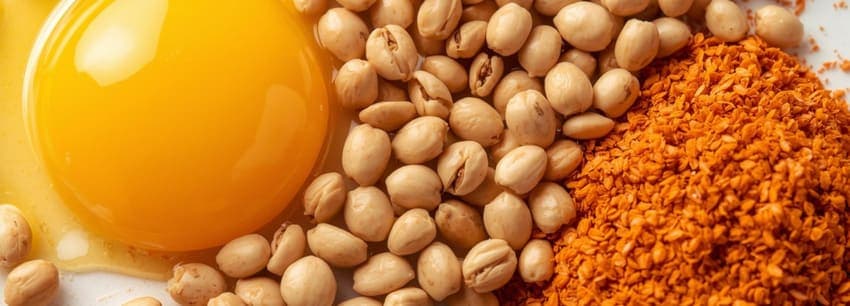
Common examples include egg yolk, lecithin, guar gum, and carrageenan.
Emulsifiers used in packaged foods must comply with international food safety regulations and are subject to strict evaluation before approval.
Why Does It Matter?
Emulsifiers help maintain a uniform texture, extend shelf life, and improve the overall eating experience. By preventing separation, they keep foods consistent in both appearance and mouthfeel. This effect is especially noticeable in products like sauces, mayonnaise, ice cream, chocolate, and nut butters.
What Do the Rules and Science Say?
Food safety authorities worldwide regulate which emulsifiers can be used and under what conditions. These substances undergo international safety assessments, and acceptable daily intake levels are established. When used within these limits, emulsifiers are considered safe for consumers.
How Does It Work?
Emulsifiers have a unique structure that includes both a hydrophilic (water-loving) and a hydrophobic (oil-loving) end. Thanks to this dual property, they prevent oil droplets from merging and keep them dispersed in water. This mechanism helps foods remain smooth and uniform in texture.
Why Does It Taste or Feel This Way?
Emulsifiers create a smooth mouthfeel and balance how fat spreads across the palate. Consumers notice this particularly in creamy sauces, frozen desserts, and spreadable products, where the texture feels more pleasant and consistent.
What Are the Common Misconceptions?
“Emulsifiers are harmful.” This is a common belief, but in reality, emulsifiers approved by international regulations have undergone rigorous safety testing and are considered safe when used appropriately.
“Only artificial products contain emulsifiers.” In fact, emulsifiers also occur naturally. For example, lecithin in egg yolk or soy lecithin are widely used natural emulsifiers. Not all emulsifiers are made in a lab—many are sourced directly from nature.
Why Are We Sharing This?
Emulsifiers are among the most frequently listed additives on food labels. Understanding what they do, how they are regulated, and how they affect food quality allows consumers to read labels more confidently and make informed choices.