
What Should I Know?
Scientific evidence on foods reducing cough is limited.
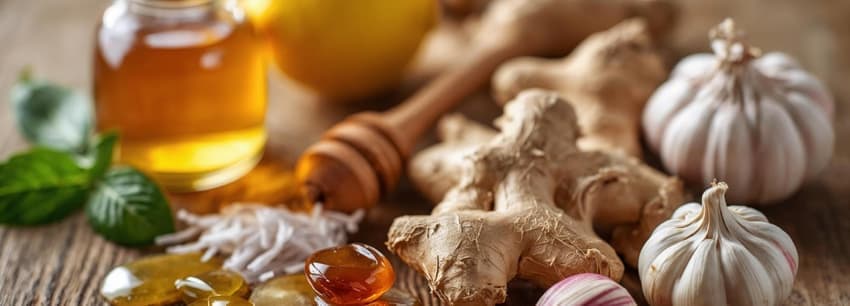
Honey is the most common food used for cough relief; the World Health Organization (WHO) considers it a safe and accessible option for children over 1 year old.
The UK National Health Service (NHS) suggests trying warm water with honey and lemon.
Bromelain, an enzyme in pineapple, may help loosen mucus and suppress coughing.
Ginger has only anecdotal evidence for soothing sore throats.
Menthol (peppermint) and eucalyptus oil may provide a cooling effect and ease breathing.
Foods are not medicines; excessive intake may lead to toxicity.
Why Does It Matter?
Cough is a common symptom, often linked to upper respiratory infections such as the common cold. Many people turn to natural remedies, but the actual benefits are not well-proven. Overconsumption can also be harmful. Knowing what is supported by science helps people make safer choices.
What Do the Rules and Science Say?
Cough is a reflex to clear the throat or airways.
Acute cough lasts less than 3 weeks; chronic cough lasts more than 8 weeks.
WHO recommends honey for children with cough due to upper respiratory infections.
NHS advises warm honey-lemon water, but honey must not be given to infants under 12 months (risk of infant botulism).
Honey’s effects:
Contains antioxidants (flavonoids, phenolic acids).
Its viscous texture coats the throat, reducing irritation.
Its sweetness may trigger positive brain responses that suppress cough reflexes.
Honey-lemon mixtures may also improve sleep by reducing night-time coughing.
Other foods:
Pineapple (bromelain): May help break down mucus and reduce cough.
Ginger: Only anecdotal evidence supports throat-soothing effects.
Probiotics: May reduce cold symptoms in children, but effects in adults are limited.
Peppermint, thyme, eucalyptus: Aromatic oils may create a cooling effect and ease breathing.
Conclusion: These foods may bring temporary comfort, but long-term therapeutic effects are not proven. More research is needed.
Common Misconceptions
“Natural remedies are always safe.” Natural does not mean risk-free.
“If a little helps, more will help more.” Overconsumption may cause toxicity.
“All herbal teas cure cough.” Most teas soothe symptoms mainly through warmth and hydration.
Why Are We Sharing This?
Many people rely on home remedies for cough relief, but separating anecdotal claims from scientific evidence is important for safety. This guide provides an evidence-based overview so readers can make informed decisions.