
What Should I Know?
Anemia is a condition in which the blood has a reduced oxygen-carrying capacity due to a lack of hemoglobin or a low number of red blood cells.
Iron deficiency anemia is the most common type of anemia, especially among children and women.
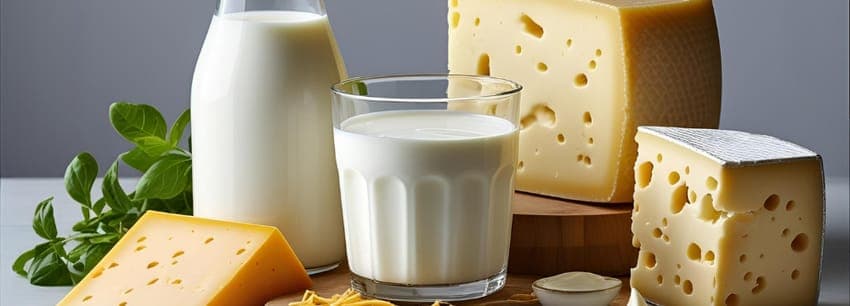
Excessive cow’s milk consumption, particularly in children who do not eat enough iron-rich foods, can contribute to iron deficiency.
Dairy products contain calcium, phosphate, casein, and whey proteins, which can temporarily reduce iron absorption.
Consuming more than about 700 ml of cow’s milk per day may increase the risk of iron deficiency in children.
Dairy products have less impact on iron absorption when consumed 2–4 hours after meals rather than with main meals.
Dairy products are valuable sources of calcium and protein; they should not be eliminated from the diet. Instead, focus on balance, variety, and timing.
Why Does It Matter?
Iron deficiency anemia is a common health issue, especially among children and women, and its most frequent symptom is fatigue. The belief that “milk causes anemia” is widespread. This article explains which parts of this belief are true, which are misleading, and aims to help people make more informed dietary choices.
What Do the Rules and Science Say?
Scientific studies show that calcium, phosphate, and proteins in milk can bind iron and temporarily reduce its absorption. However, this effect can be managed with meal timing and overall dietary balance.
Long-term studies indicate that milk consumption alone does not cause anemia; multiple factors (genetics, inadequate iron intake, infections, blood loss, etc.) play a role.
Therefore, milk can be safely consumed as part of a balanced diet.
How Does It Work?
Calcium and Iron Competition: Calcium and iron use similar transporters in the intestine, which may lead to competition during absorption.
Protein Binding: Milk proteins, particularly casein and some whey proteins, can bind iron and reduce its entry into circulation.
Role of Phosphate: Phosphate, either free or bound to casein, may also reduce the bioavailability of iron.
These effects are temporary and can be minimized if dairy products are consumed 2–4 hours after meals.
What Are the Misconceptions?
“Drinking milk directly causes anemia.” False. Excessive and unbalanced consumption can affect iron absorption, but milk alone is not a direct cause of anemia.
“Dairy products should be completely avoided.” False. Dairy is rich in calcium and protein; it can be consumed safely with proper timing and balance.
“Breast milk also blocks iron absorption.” Partly true. Breast milk contains less calcium than cow’s milk, so iron absorption is higher. This makes breast milk a safer source of nutrition compared to cow’s milk in infants.
Why Are We Sharing This?
The claim that “dairy products cause anemia” often leads to misconceptions. This content explains how dairy products can affect iron absorption, how these effects can be managed, and how dairy can remain a valuable part of the diet when consumed in a balanced way, all supported by scientific evidence.